Legacy brands · 5 min read
Heritage is only an asset if the market can read it.
Every established business has a story. Very few have a story the market can repeat. The difference is not the history. It is the system that carries it.
 Mike Bruce · Brand Growth Architect
9 October 2026
Long-established and family businesses carry something younger competitors would pay for: time. A client list built over decades, a track record, a name people trust. It is real equity. In most of the businesses we see, it is also invisible.
The identity was built for a market that has since moved. The website explains the company's history instead of using it. New buyers, who never had the relationship, see an old company rather than an established one. So they compare it on price with businesses a fraction of its age.
History is not the same as heritage
History is what happened. Heritage is the part of it that still means something to a buyer today. A founding date is history. A promise the company has kept for thirty years is heritage.
The work is to find the second inside the first. That is a positioning question before it is a design one. What does the history prove? Durability, craft, judgement, trust? Which of those does the next buyer actually need?
A founding date is history. A promise kept for thirty years is heritage.
Make the story visible in the system
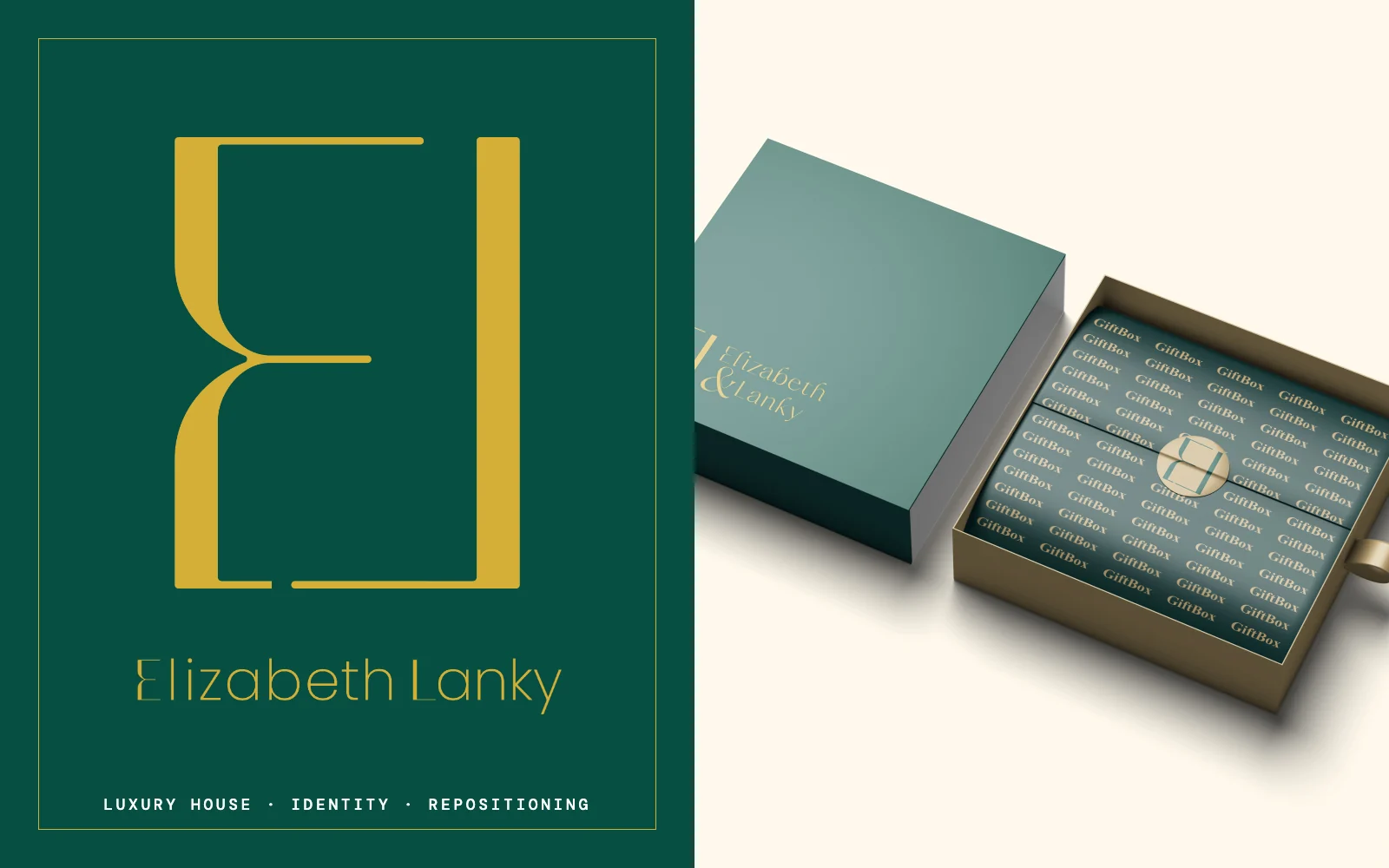
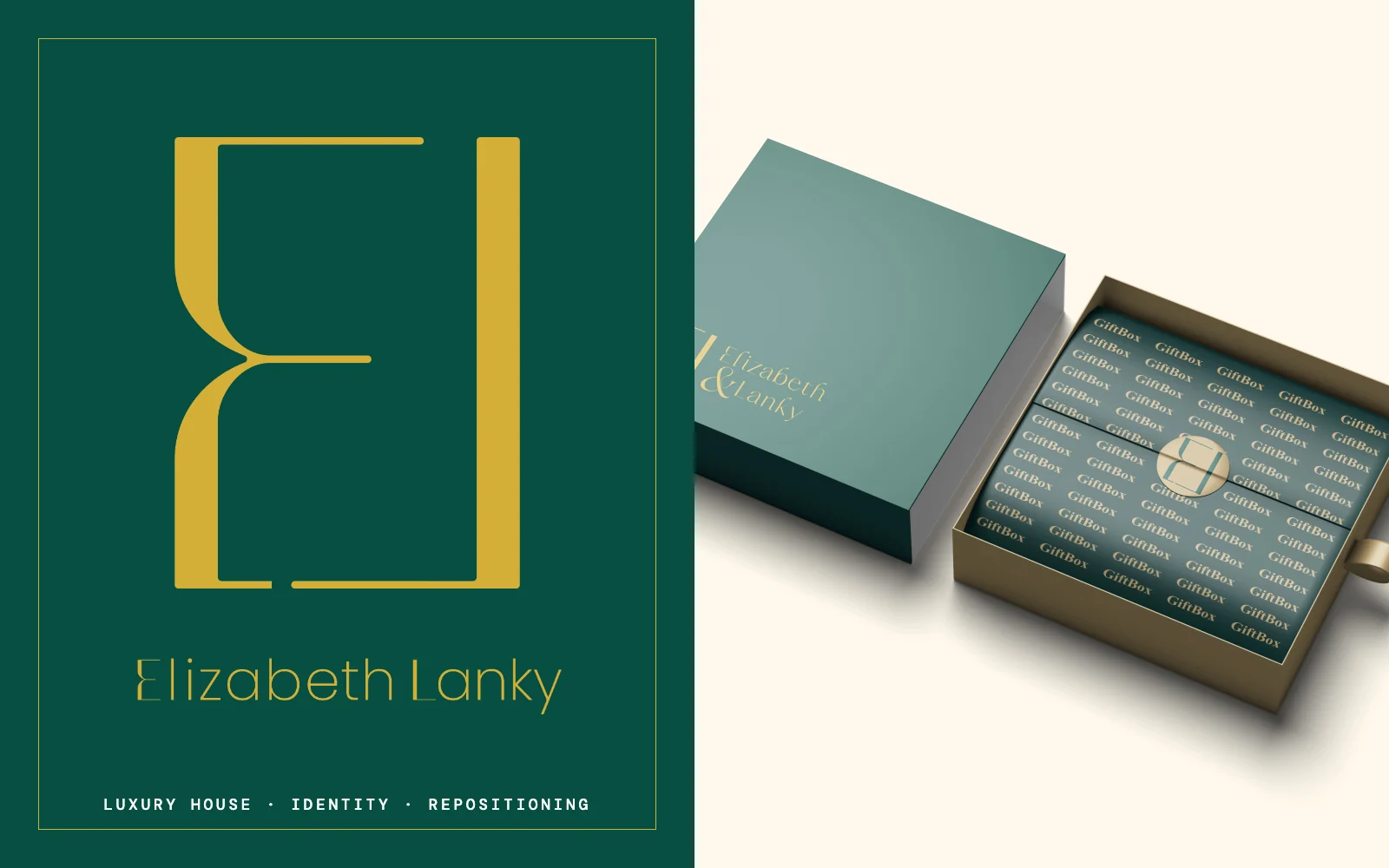
Once the meaning is settled, it has to live in the identity, not in a paragraph on the About page. The Elizabeth & Lanky monogram is a useful example. The brand began with the love story of Mr Lanky and Mrs Elizabeth Bruce. The mark fuses their initials, the L flipped to face the E, and its negative space forms an inverted B for the family name.
Nobody has to read an explanation to feel it. The story is in the structure: in the proportions, the ampersand, the restraint of the type. That is what lets a heritage brand sit beside the world's luxury houses without borrowing their language.
Keep the equity, drop the habits
The fear in every legacy repositioning is losing the recognition the business has built. It is a fair fear, and it is why the order matters. Before anything is redesigned, separate the equity worth keeping from the habits worth dropping.
- Keep what the market already recognises and associates with quality: a name, a mark, a colour, a phrase.
- Drop what only feels familiar to the team: dated layouts, inconsistent assets, language written for a market that no longer exists.
- Document the result, so the next supplier, hire or partner reproduces the new brand and not the old one.
The test
Ask a new buyer, someone with no relationship to the business, to describe the company after two minutes on its website. If they describe its age, the history is still an explanation. If they describe why it is worth choosing, the history has become an asset.
If you lead an established business and the brand no longer looks like the company, our page on legacy businesses sets out how the system applies.
From the work