Industry take · 5 min read
McDonald's quit the World Cup. Rented attention has a ceiling.
McDonald's is ending its 32-year FIFA World Cup sponsorship, reported on 25 and 26 October 2026, after its CFO said this year's campaign underperformed expectations. The lesson for a smaller business: borrowed attention rents you an audience, but only your own brand keeps it.
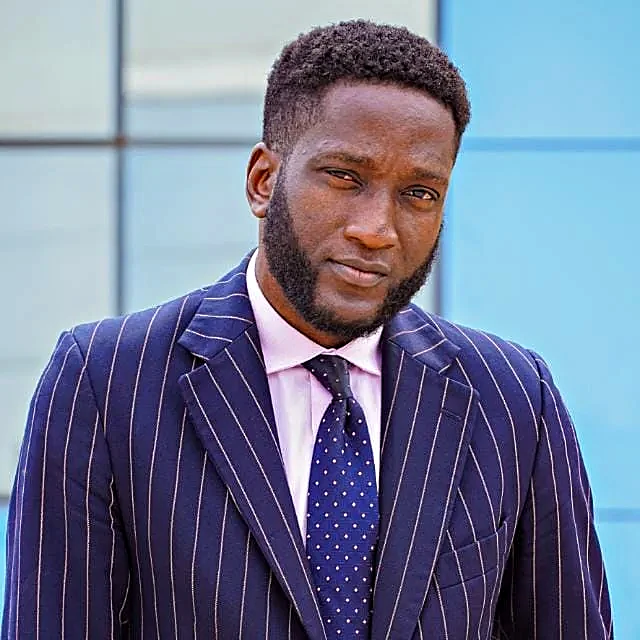 Mike Bruce · Brand Growth Architect
27 October 2026
On 25 and 26 October 2026, trade outlets reported that McDonald's is ending its FIFA World Cup sponsorship after 32 years. The partnership began with the 1994 tournament in the United States. According to Marketing Dive, the company calls the change an evolution of its marketing model and says it will keep investing in sport through other routes.
What did McDonald's say?
Global chief marketing officer Morgan Flatley said sport and culture will remain important ways the company connects with fans. As reported, McDonald's is moving toward experiences it can run all year, built on its own brand and assets. It said the decision is unrelated to recent headlines about FIFA, according to Inside World Football.
Chief financial officer Ian Borden said the 2026 campaign gave the business a lift and created excitement across its system, but "underperformed versus our expectations". B&T reports he also warned about leaning on "borrowed equities". The campaign, created by Wieden+Kennedy New York, was the company's biggest of the year. Sources differ on its reach: Marketing Dive says more than 100 markets, while B&T and Inside World Football say more than 110 countries.
Marketing Dive adds that US same-store sales rose 0.8% in the second quarter of 2026 while traffic fell, and that McDonald's attributed a third of that traffic loss to the campaign. Those are the company's figures as reported there, and I have not seen the underlying filing.
What are people saying?
Bob Lynch of SponsorUnited told Marketing Dive that the onus is on brands to activate a sponsorship well, and estimated that doing so can cost a further $70 million to $100 million beyond the fee. He also said it creates disruption in the category. An unnamed executive in the same piece said smaller, spread-out partnerships allow testing at scale but create "a little bit more chaos" for marketing teams. Some commentary links the timing to FIFA's own controversies; McDonald's denies a link.
My take
This is opinion. A sponsorship is a line, not a loop. You pay, you borrow someone else's attention for a few weeks, and when it ends you keep only what your own brand managed to hold. A campaign that lifts the business and still disappoints is a familiar pattern: the borrowed part did the work, and the owned part had nothing to catch it.
In Brand Growth OS™ terms, McDonald's is saying it wants to spend more on Connect that it controls (its own experiences, its own characters, all year) and less on a window it rents. I think that is right, with one caution: do not mistake "owned" for "easy". Year-round work needs a clear position first (Clarify), or it becomes noise. Certainty is the brand, and a brand with 365 days to fill and no certainty fills them with chaos.
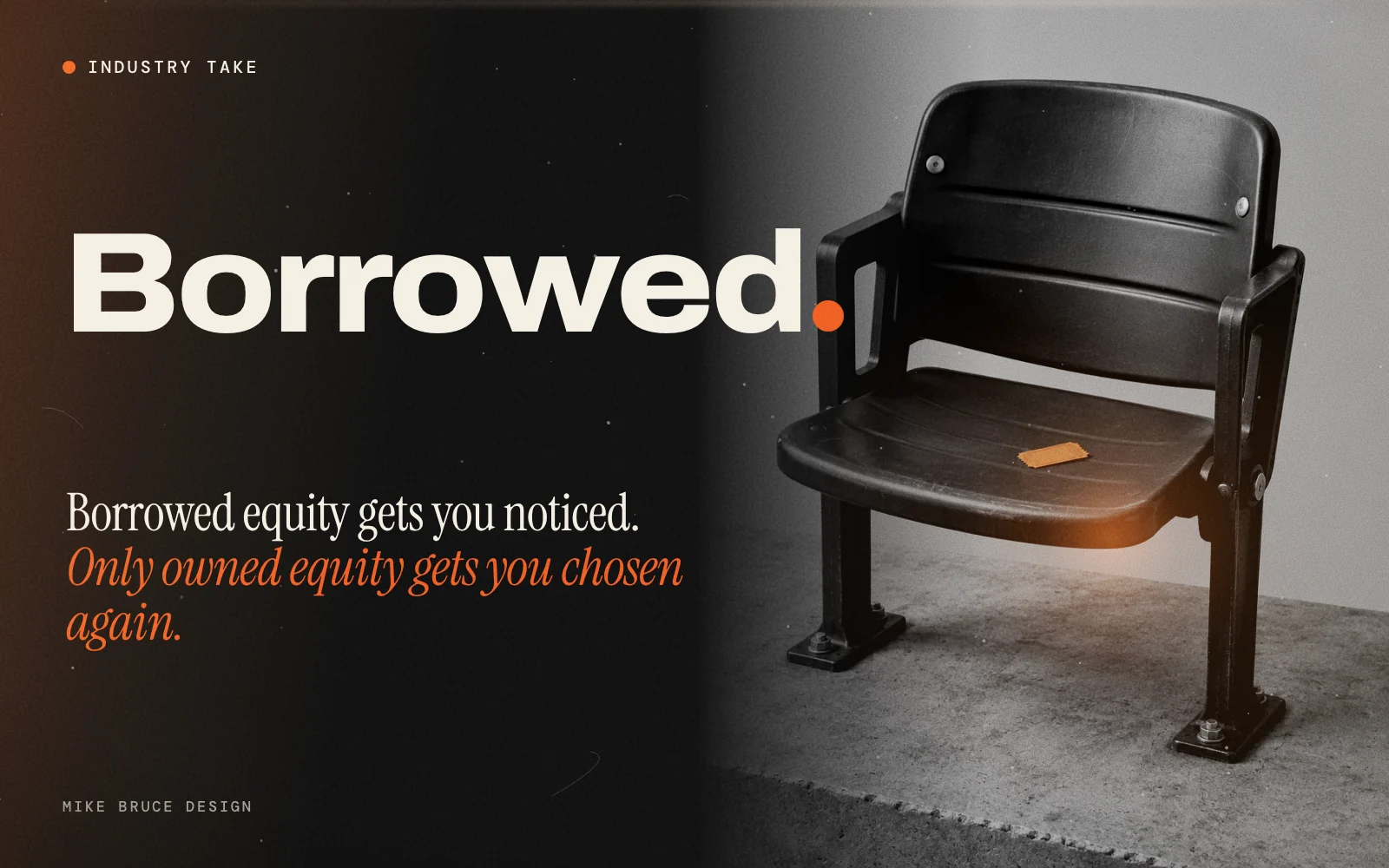
Borrowed equity gets you noticed. Only owned equity gets you chosen again.
What should a founder do about it?
You will never be offered a World Cup. You will be offered a podcast sponsorship, a trade show stand, an influencer, a partner logo swap. The test is the same. Ask these three questions before you pay.
- What do we keep when it ends? Customers, email addresses, content, reviews, a clearer position? If the answer is "awareness", be careful.
- Does it say what we say? If the association pulls your position towards someone else's, the cost is higher than the fee.
- What would we build with the same money? Compare the borrowed option with one thing you would own: a tool, a page, a series, a referral loop.
The Brand Growth Audit™ shows whether your own position can carry the attention you buy, and the Brand Growth OS page explains the four stages. For more on why distribution should compound, see the other voices pieces.
Sources
Marketing Dive, 27 October 2026 · B&T, 26 October 2026 · Inside World Football, 26 October 2026. Figures and statements are McDonald's own, as reported there. Opinion is Mike Bruce's. See all brand voices · About Mike Bruce.
Keep reading