Industry take · 5 min read
Unilever says price rises must be earned by the brand. So must yours.
On 28 October 2026 Unilever's chief executive, Fernando Fernandez, said a company can only raise prices above the market by strengthening its brands. With pricing expected to rise across consumer goods into 2027, it is the clearest statement this year that pricing power is a brand outcome, not a finance decision.
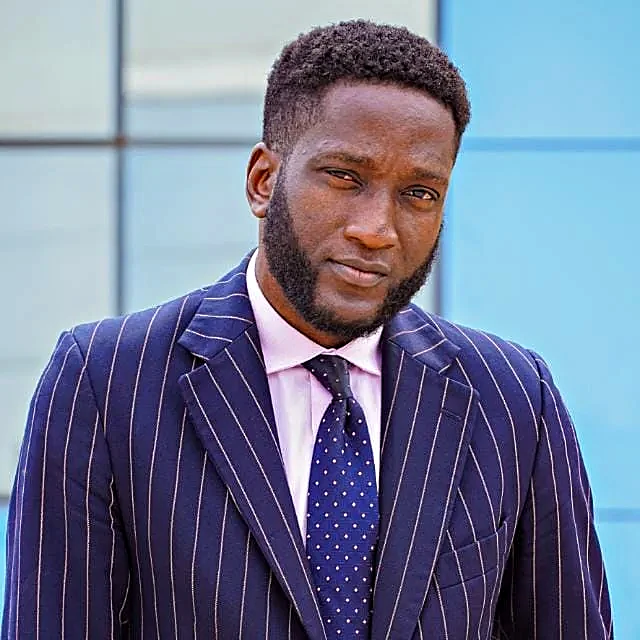 Mike Bruce · Brand Growth Architect
31 October 2026
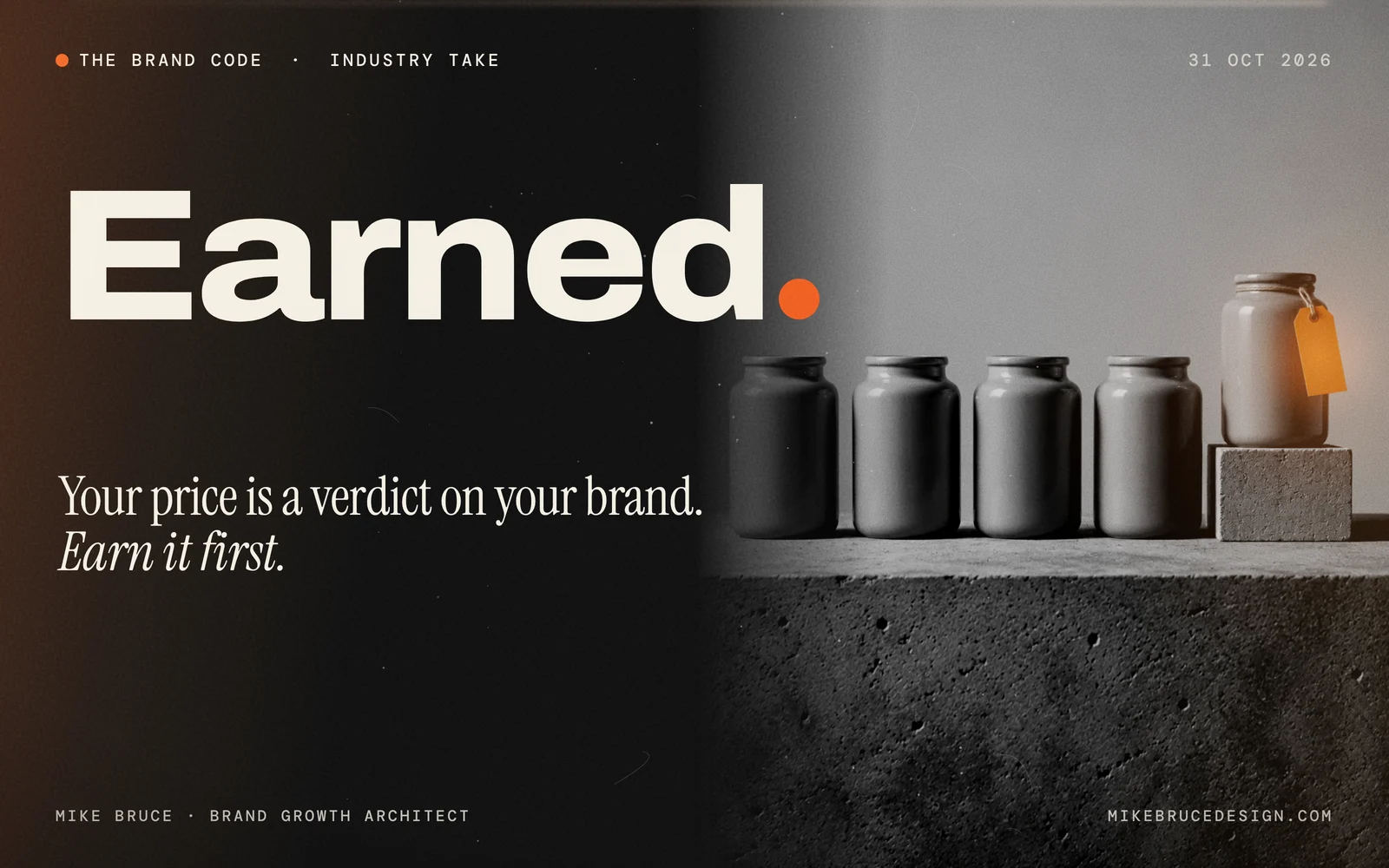
On 28 October 2026, at its third-quarter results, Unilever's chief executive Fernando Fernandez told investors that pricing above the market can only come from strengthening your brands. Marketing Week reported that he described this as a discipline: price rises are paired with stronger brands or premium innovation, not used on their own.
What happened at Unilever's Q3 results?
Underlying sales grew 5.2%: 2.9% from volume and 2.3% from price. Reuters reported that this beat the 4.8% analysts expected, and that Unilever raised its full-year volume guidance to at least 3%. Its Power Brands, such as Dove, Vaseline and Cif, make up about 79% of turnover and grew 5.8%, according to the earnings call transcript.
Pricing is going up. It was 0.6% in the first half and 2.3% in the third quarter, and Unilever expects 2027 pricing to be higher than its 2026 average as it covers higher costs. Reuters notes that Coca-Cola, P&G, Nestlé and Reckitt have flagged price rises for next year too.
What are people saying?
Coverage split into two readings. Analysts quoted by Reuters were relaxed about the price rises because volume held up, while the shares still fell 3.4% on the day, partly because of the food business. Marketing Week's headline went further than the quote: Fernandez spoke about pricing relative to the market, not every price rise. That distinction matters, so I have kept it.
My take
This is opinion. One of the world's biggest advertisers has just said out loud what most founders learn the hard way: you do not set your price, your brand does. The price list is where the brand work shows up.
Notice what Unilever is not doing. It is not cutting marketing to protect margin. The CEO said it must stay competitive in both pricing and marketing investment, and management said it protected its share of voice in home care while some local rivals cut back. Raise prices and go quiet, and you are asking customers to pay more for a brand they hear about less.
For a smaller business the lesson is sharper, because you have no scale to absorb a mistake. If a customer cannot say in one sentence why you are worth more than the cheaper option, a price rise is a bet, not a decision.
Your price is a verdict on your brand. Improve the brand before you ask for the verdict.
Three questions before you raise your prices
- Can customers say why you cost more? Ask five of them. If the answers are vague or all different, fix the positioning first.
- Is the proof visible where they decide? Results, reviews and specifics on the pages people read just before they buy.
- Are you staying present? Plan the rise with your marketing, not instead of it, and explain the change plainly.
This is the Clarify and Convert work in the Brand Growth OS™. The Price Rise Calculator shows what a small rise does to profit, the Price Increase Kit helps you announce it, and the Brand Growth Audit™ shows whether your brand can carry the price you want. For the thinking behind value-based pricing, see my piece on Chris Do.
Sources
Marketing Week, 28 October 2026 · Reuters via AOL, 28 October 2026 · Investing.com earnings call transcript. I could not open Unilever's own results page. Opinion in this piece is Mike Bruce's. See all brand voices · About Mike Bruce.
Keep reading